On frontline at hospital denying online claims it is 'dangerous' and 'dreadful'
Grange University Hospital has faced criticism over long delays, overcrowding and staff shortages.
International news in seven languages
Grange University Hospital has faced criticism over long delays, overcrowding and staff shortages.
How a group of young radicals helped set Aneurin Bevan on the path to founding the NHS.
Scientists have uncovered a surprising new clue to why the Mediterranean diet is so good for the heart, brain, and healthy aging. Researchers at USC found that older adults who closely followed the diet had higher levels of two tiny proteins, humanin and SHMOOSE, produced by the mitochondria, the energy-producing structures inside cells. These proteins have been linked to protection against heart disease, Alzheimer's disease, and age-related damage.
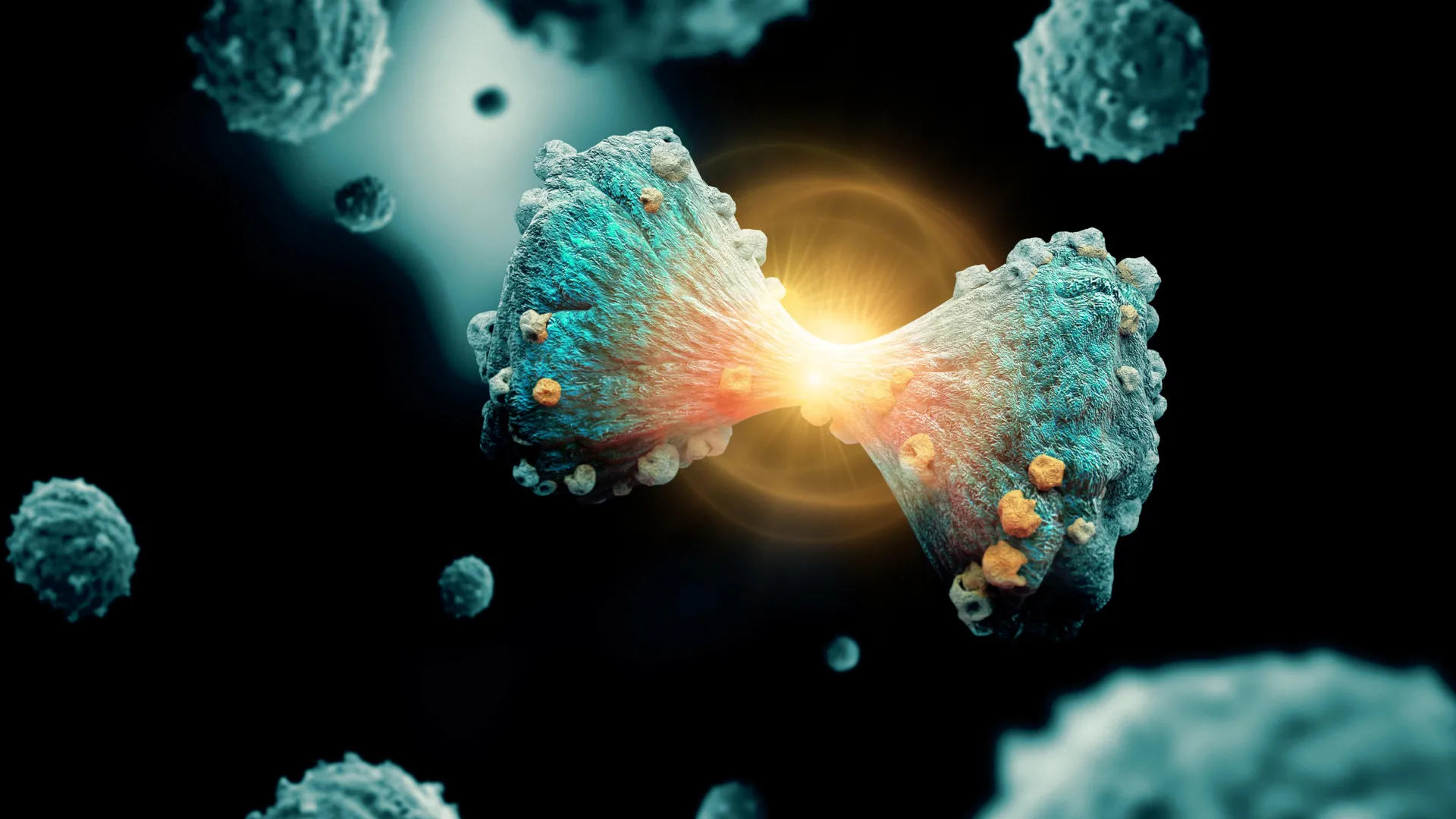
Scientists have discovered how pancreatic cancer cells continually reshape their genetic makeup to become more aggressive, spread, and evade treatment. In laboratory experiments, blocking a key gene reversed some of these dangerous changes, revealing a potential new way to fight the deadly disease.
A major new study reveals that drinking just two alcoholic beverages a day is associated with a 1 in 25 lifetime risk of death from alcohol-related causes, challenging the idea that moderate drinking is harmless. Researchers also found no significant overall health benefits from alcohol, with risks rising as consumption increases.
Betsi Cadwaladr University Health Board was due to pay Bangor University £110,686 for two researchers.
Macmillan Cancer Support Jersey publishes its annual report looking back at 2025.
A new report says nearly half of women with endometriosis have lost income due to the condition.
WHO concluded the successful Health in All Policies (HiAP) Workshop: The case of air pollution, urban health and sustainability. This was the 21st workshop in the Global WHO Training and Capacity Building Programme on HiAP. The workshop was convened as a result of collaboration between WHO and the Association of Schools and Programs of Public Health (ASPPH) and the National Environmental Health Association (NEHA) and was attended by 23 professionals in the United States from health and other disciplines, working in public and environmental health, who wanted to learn more about how to integrat
After a week of negotiations continued through Friday night and into Saturday morning, an open-ended working-group meeting of Member States successfully agreed upon a framework to ensure that in a pandemic, influenza virus samples will be shared with partners who need the information to take steps to protect public health.
Two attacks in eastern Democratic Republic of the Congo have killed 4 workers responding to the Ebola outbreak and injured 5 others.
WHO is calling on countries to be increasingly vigilant in monitoring antimalarial drug efficacy in order to allow for early detection of artemisinin resistance.1 This is one among several conclusions of the Global report on antimalarial drug efficacy and drug resistance: 2000–2010, released today. The report is based on 1100 studies conducted by national malaria control programs and research institutes over the ten-year period.
More than at any previous time in history, global public health security depends on international cooperation and the willingness of all countries to act effectively in tackling new and emerging threats. That is the clear message of this year's World health report entitled A safer future: global public health security in the 21st century, which concludes with six key recommendations to secure the highest level of global public health security
Measles strategy works – Now it must expand to more countries Cape Town Measles Declaration pledges to cut measles deaths by half By 2005, almost half a million children will be saved every year if there are expanded efforts to immunize and protect all children against measles, international health experts declared today. At a landmark World Health Organization (WHO)/United Nations Children’s Fund (UNICEF) meeting in Cape Town, leading players in the fight against measles spelled out what it will take to stop 2000 children dying every day from this preventable disease. Together with UNICEF spe
WHO calls on industry and governments to increase manufacturing by 40 per cent to meet rising global demand The World Health Organization has warned that severe and mounting disruption to the global supply of personal protective equipment (PPE) – caused by rising demand, panic buying, hoarding and misuse – is putting lives at risk from the new coronavirus and other infectious diseases. Healthcare workers rely on personal protective equipment to protect themselves and their patients from being infected and infecting others. But shortages are leaving doctors, nurses and other frontline workers d
Remarks by Dr Ibrahima Socé Fall, World Health Organization Assistant Director-General, Emergency Response Good afternoon. I hope that your busy week was interrupted, like mine, with a moment of joy on Tuesday. That moment was the celebration of a woman being discharged from an Ebola treatment centre in Beni. Her name is Masika. She was the last person in the Democratic Republic of the Congo confirmed to have Ebola. Health workers and other responders sacrificed a lot to get to this point. Since the outbreak was declared in August 2018 there have been 420 attacks on health facilities in DRC, r
Today, the World Health Organization announced that a new pathogen, a member of the coronavirus family never before seen in humans, is the cause of Severe Acute Respiratory Syndrome (SARS). The speed at which this virus was identified is the result of the close international collaboration of 13 laboratories from 10 countries. While many lines of evidence have found strong associations between this virus and the disease over the last weeks, final confirmation came today.
Today, the World Health Organization is removing Taiwan, China, from the list of areas with recent local transmission of severe acute respiratory syndrome (SARS). Taiwan is the last area to be removed from the list. It has been 20 days, or two consecutive 10-day incubation periods, since the last case on June 15. Based on country surveillance reports, the human chains of SARS virus transmission appear to have been broken everywhere in the world. However, due to the many questions remaining about SARS and the possibility that cases may have slipped through the surveillance net, WHO warns that c
Graham Anthony says his mum Margaret Owen was asking for help "and sometimes screaming in pain".
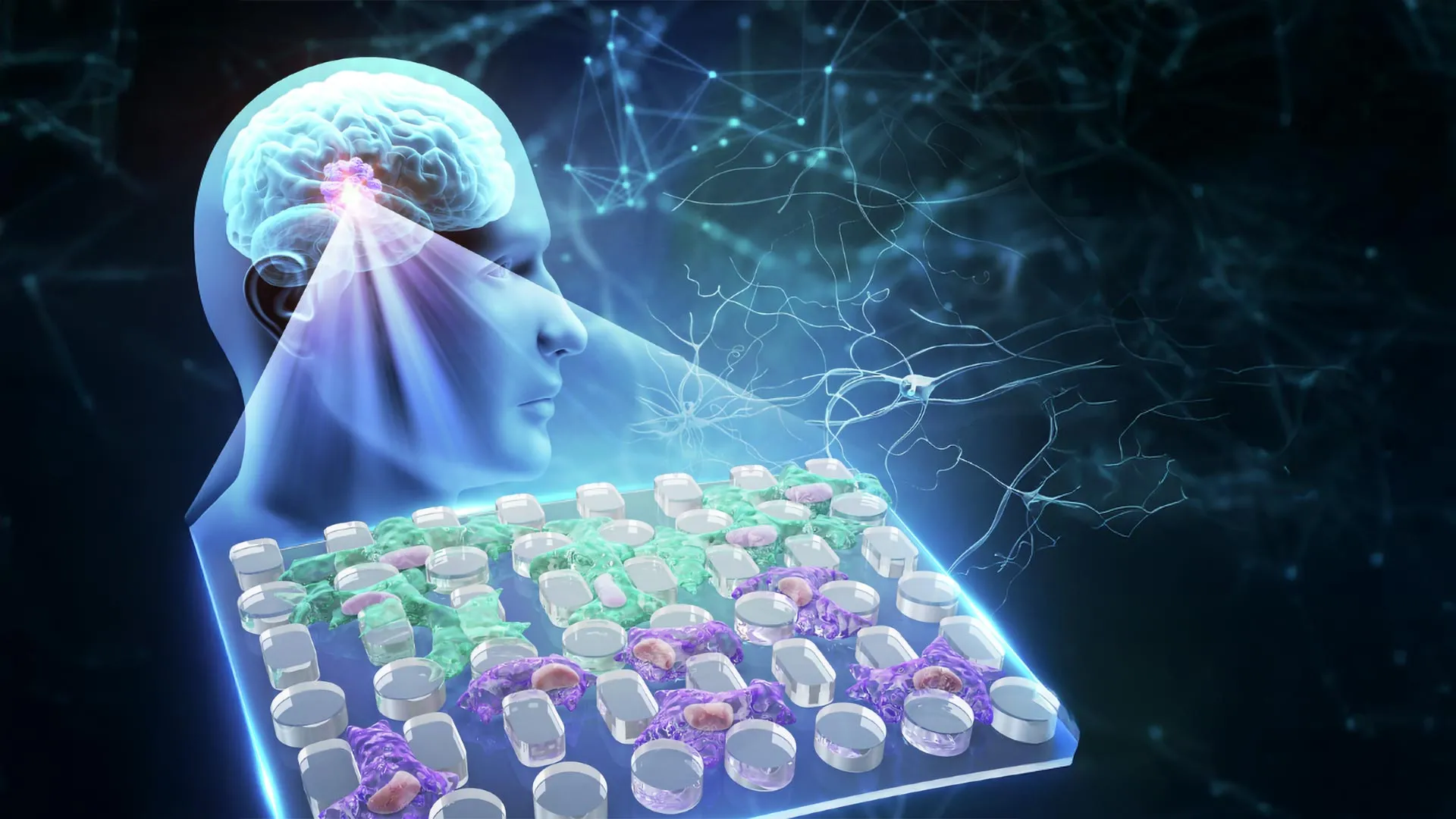
Scientists discovered that the thick, sticky fluid surrounding glioblastoma tumors can make brain cancer cells smaller, more flexible, and better at invading surrounding tissue. Even more troubling, some of these changes persist after the cells leave the thick fluid, revealing a previously overlooked mechanism that could help this deadly cancer spread.