'Other generations just buried it' - Youths share their mental health concerns
The BBC's Catherine Burns spoke to some young mental health ambassadors who called for an increase in mental health support.
International news in seven languages
The BBC's Catherine Burns spoke to some young mental health ambassadors who called for an increase in mental health support.
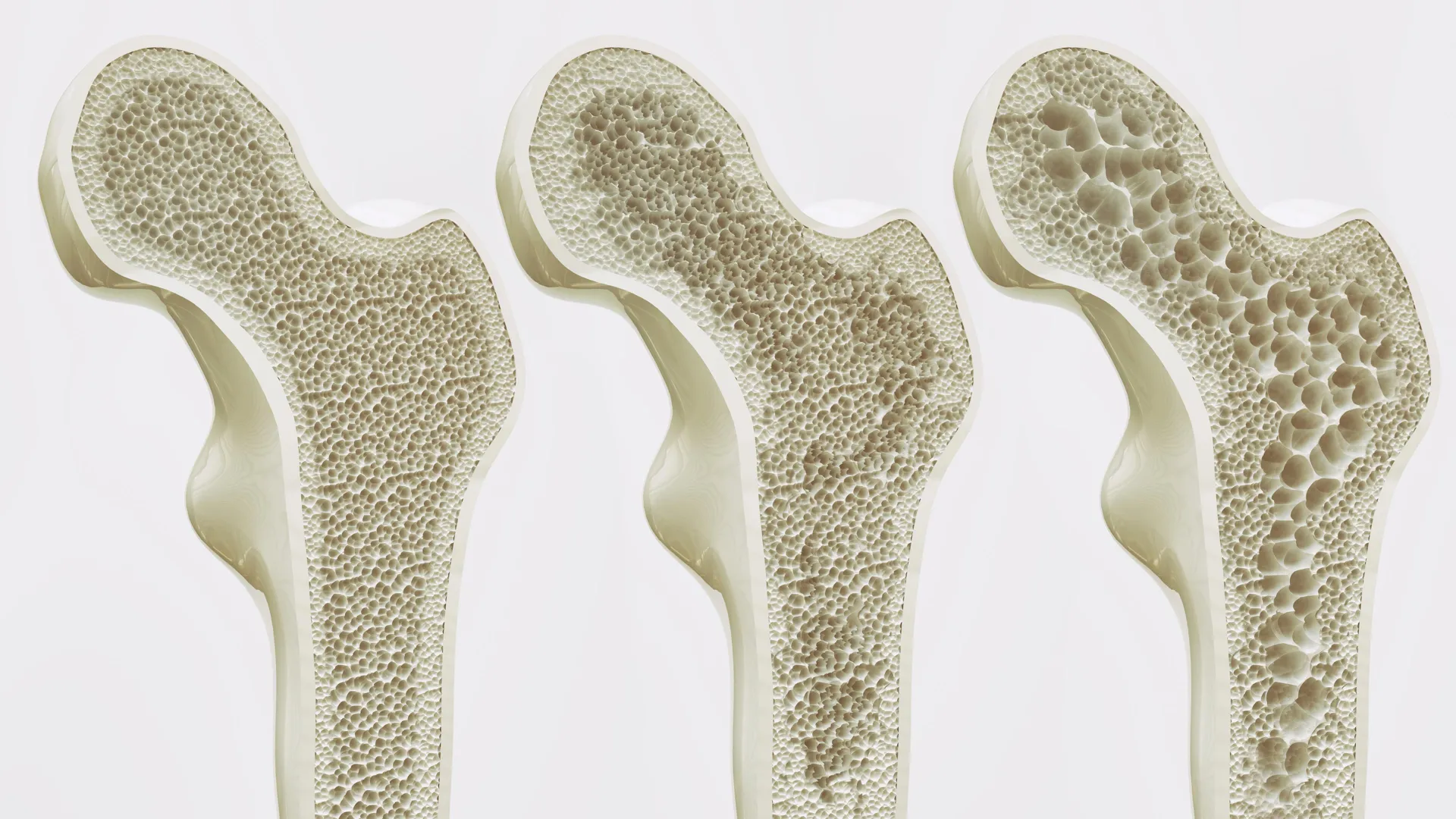
A sweeping review of more than 153,000 adults found that calcium and vitamin D supplements, alone or together, do little to prevent fractures or falls in most older people. Researchers say the findings challenge routine supplementation for prevention and point instead toward strategies such as balance and resistance exercise.
Accusations that the young are a snowflake generation are wrong, the head of an independent review into mental health, ADHD and autism has told the BBC.
Speaking exclusively to the BBC, Prof Peter Fonagy says being young is much harder now than it was.
The victim is seriously but stable after being shot in the torso and is in agency custody, the federal government confirmed
Jyoti and Bharat Patel are testing dementia technology including sensors in socks, their bed and around the house.
Ancient DNA reveals that plague repeatedly returned to Europe for more than 400 years after the Black Death, evolving into new lineages and spreading through trade, migration, and war. Researchers also developed a method to date ancient plague genomes more precisely, linking many of them to specific outbreaks recorded in historical sources.
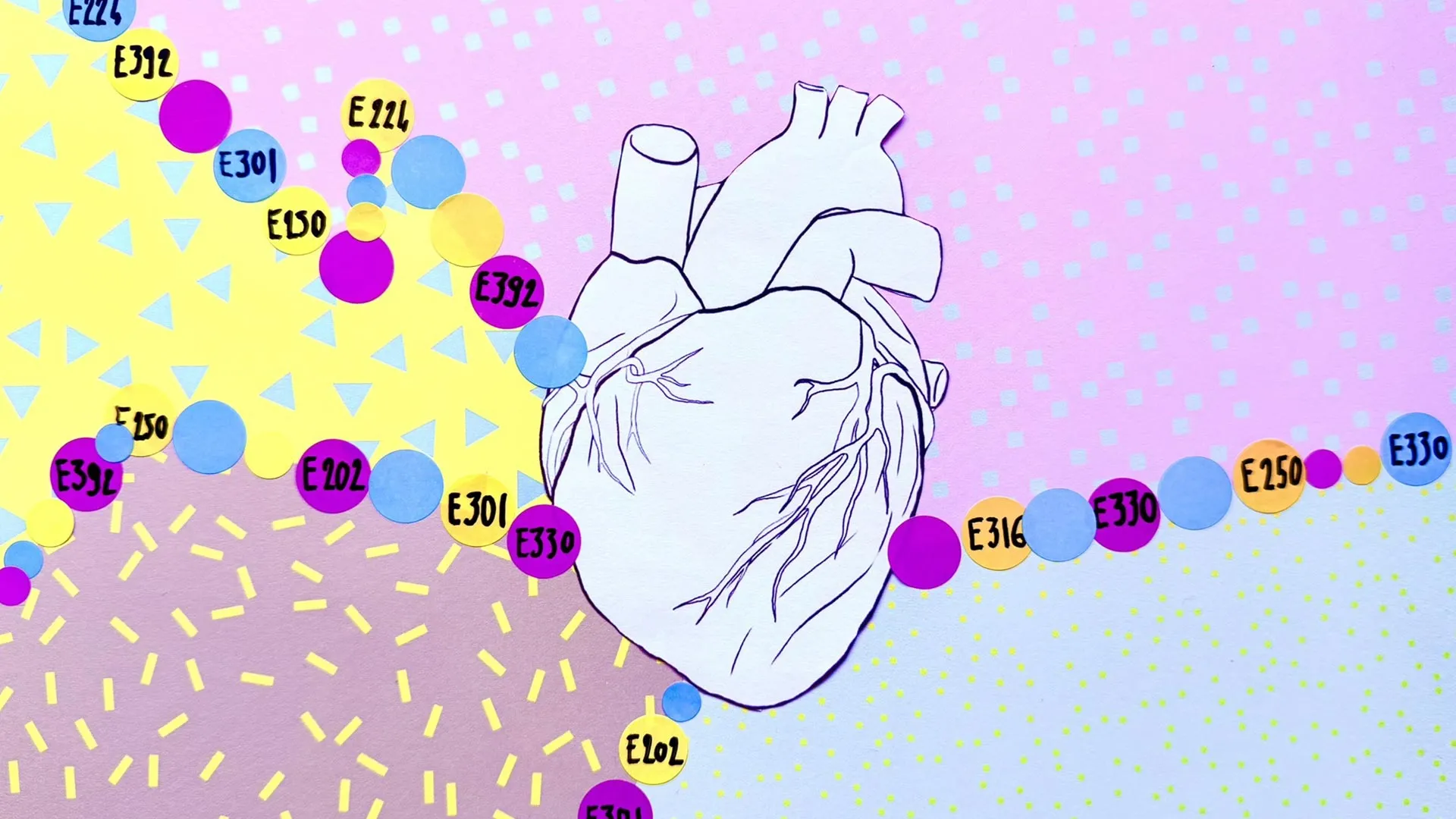
Common preservatives hiding in processed foods may carry unexpected heart risks, with heavy consumption linked to substantially higher rates of high blood pressure and cardiovascular disease. Researchers identified eight widely used preservatives associated with hypertension, although the observational study cannot prove they were directly responsible.
The victim required hospital assistance due to the severity of the wounds. Three of the five investigated had already been arrested last year for a similar offence
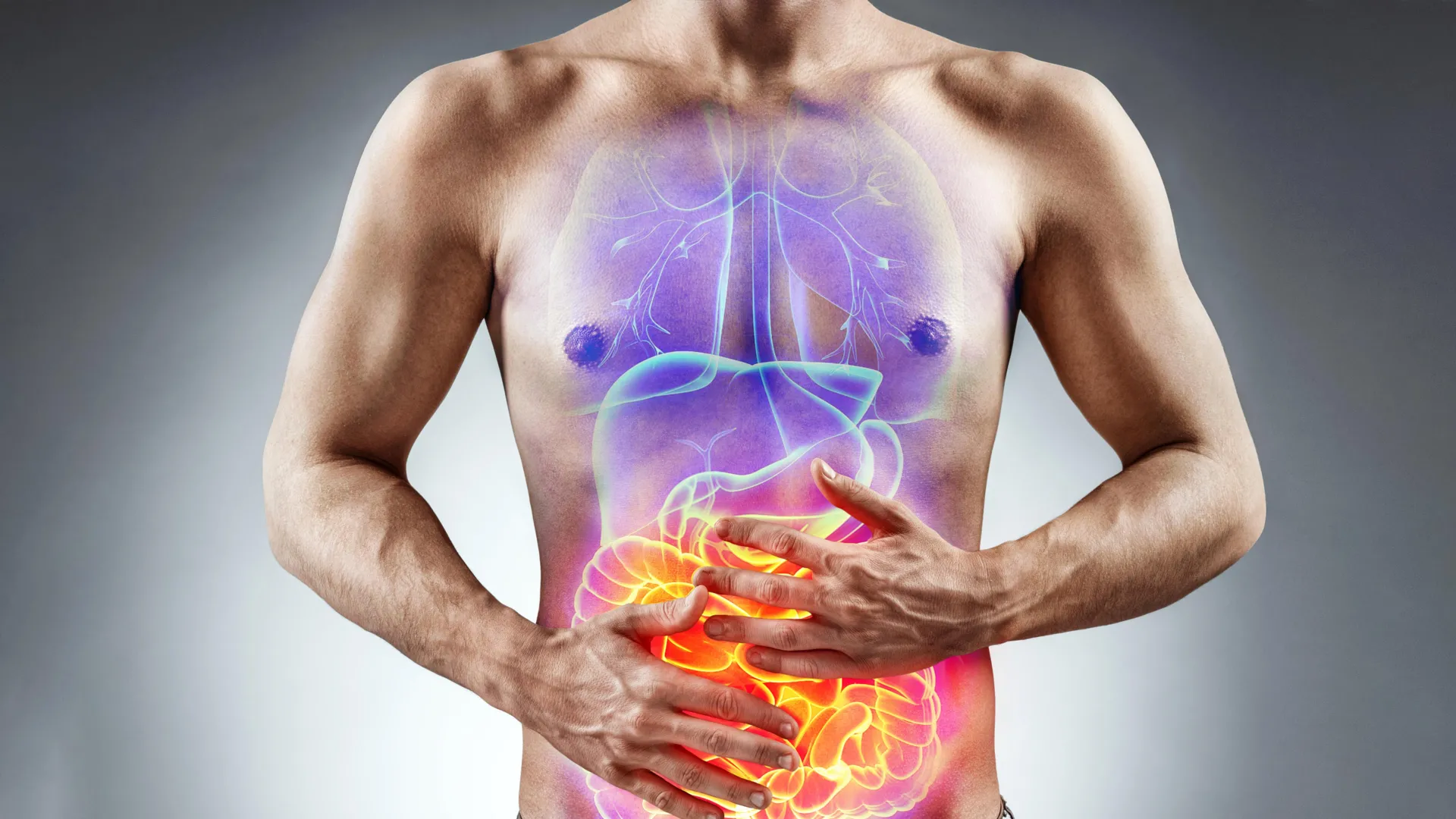
Researchers have uncovered a hidden molecular warning sign of inflammatory bowel disease (IBD) that can linger even when patients feel well and appear to be in remission. By studying around 900 human gut biopsies and patient-derived mini-intestines, the team found that intestinal cells can remain unusually primed to die, creating a “smoldering” defect that may help drive future flare-ups.
A growing Bundibugyo virus outbreak is showing how a little-known relative of Ebola can become a major threat when diagnosis and treatment options are limited. Experts warn that preparing only for familiar pathogens could leave the world vulnerable when rare but deadly viruses suddenly reemerge.
A report suggests older LGBTQ+ people experience more social isolation than their heterosexual peers.
National Police investigate the event and its possible connection to a shooting that occurred an hour earlier in Puente de Vallecas
WHO and Netherlands Strategic Dialogue in The Hague, Netherlands 10 April 2024. Credit: Michel Mees Photography The WHO and the Netherlands convened in The Hague on 10 April 2024, to discuss joint priorities and alignment between the Dutch Global Health Strategy and WHO’s key strategic goals, marking a new milestone in their longstanding partnership. Rooted in the Netherlands' unwavering commitment to global health, human rights, and universal access to comprehensive health services, the collaboration between the WHO and the Netherlands is instrumental in addressing global health challenges an
WHO welcomed Mr Javier Padilla Bernáldez, Spain’s Secretary of State for Health and his delegation on 23 and 24 April 2024 to discuss joint global health priorities. Amongst others, Spain's focus is on universal health coverage and health systems strengthening; pandemic response and emergency medical teams; organ and tissue transplantation; malaria and other tropical diseases; and polio. During the visit, participants focused on plans and on-going work across a number of areas, including WHO’s Transplantation Program to increase availability; ethical access and oversight of transplantation of
Governments of the world today agreed to continue working on a proposed pandemic agreement, and to further refine the draft, ahead of the Seventy-seventh World Health Assembly that starts 27 May 2024. Governments meeting at the World Health Organization headquarters in Geneva agreed to resume hybrid and in-person discussions over coming weeks to advance work on critical issues, including around a proposed new global system for pathogen access and benefits sharing (i.e. life-saving vaccines, treatments and diagnostics); pandemic prevention and One Health; and the financial coordination needed t
Ireland is becoming a global leader in the field of innovation in harnessing digital technologies as a tool to address various barriers for access to care. In alignment with WHO, Ireland recognizes the importance of mobilizing assistive technology to help the 2.5 billion people in need globally, including older persons, people with disabilities, and those living with health conditions. This includes ensuring equitable access to assistive products such as glasses, hearing aids, walking aids, wheelchairs, prosthetics, and communication and memory devices. In March 2024, Anne Rabbitte, T.D., Irel
Ahead of the Seventy-seventh World Health Assembly, the Qatar Fund for Development (QFFD) and the World Health Organization (WHO) have signed a Core Contribution Agreement to support the implementation of WHO’s extended Thirteenth General Programme of Work. The agreement entails a contribution of US$ 4 million from the State of Qatar to WHO, through QFFD, aimed at enhancing the Organization's efforts in addressing global health challenges. This partnership underscores the State of Qatar and QFFD's unwavering commitment to improving health outcomes and promoting sustainable development goals wo
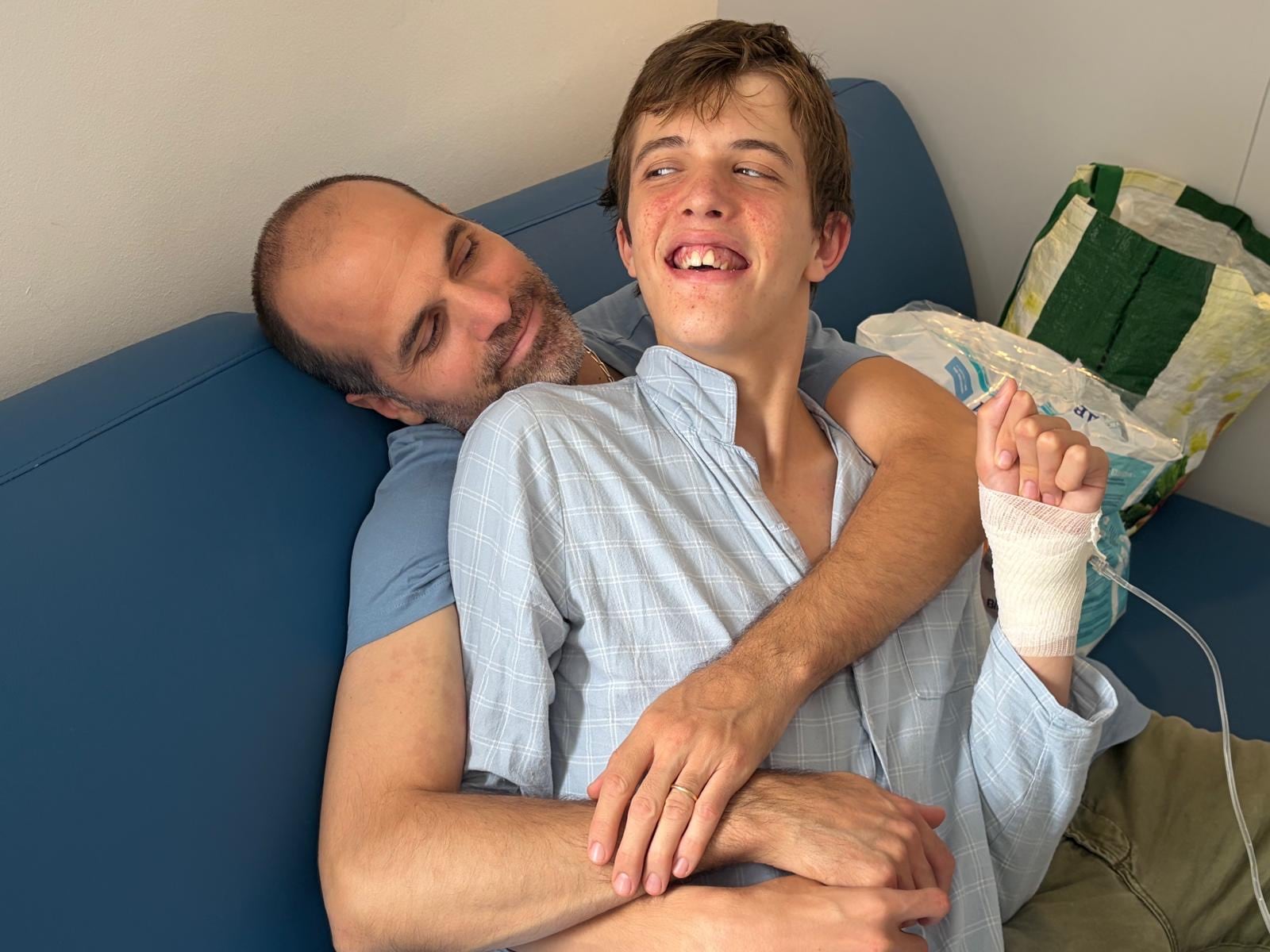
After years of income, operations and sleepless nights, this father reflects on silence, tiredness and the need not to place his own emotions at the center of a story in which the protagonist is his son
The hospital officials admitted during an assembly with the team of surgeons who made the changes to the waiting list and not Dr. Luis Martos, as the president says.