Explore Webb
  • अवलोकन
  • जेम्स वेब कौन है?
  • तथ्य पत्रक
  • प्रभाव + लाभ
  • सामान्य
  • वेब टाइमलाइन
  • विज्ञान
  • प्रारंभिक यूनिवर्स
  • Galaxies ओवर समय
  • स्टार लाइफसाइकल
  • अन्य दुनिया
  • विज्ञान / इंजीनियरिंग व्याख्याता
  • वेधशाला
  • लॉन्च
  • तैनाती
  • कक्षा
  • मिरर
  • Sunshield
  • उपकरण और ISIM मॉड्यूल
  • साधन: NIRCam
  • साधन: MIRI
  • साधन: NIRSpec
  • साधन: FGS/NIRISS
  • ऑप्टिकल टेलीस्कोप तत्व
  • बैकप्लेन
  • अंतरिक्ष यान बस
  • वेबब बनाम हबल ->
  • मल्टीमीडिया
  • चित्र
  • वीडियो
  • उत्पाद और गतिविधियाँ
  • पॉडकास्ट
  • वेबब इमेज सोनिफिकेशन
  • वेबब अवलोकन क्या है?
  • 3d सोलर सिस्टम में 3d Webb
  • वेबब की पहली छवि
  • टीम
  • वेबब
  • अधिक
  • वैज्ञानिकों के लिए
  • शिक्षकों के लिए
  • मज़ा / सीखने के लिए
  •  
    5 Min Read
    NASA’s Webb Captures Commotion From Nebula’s Stellar Jets
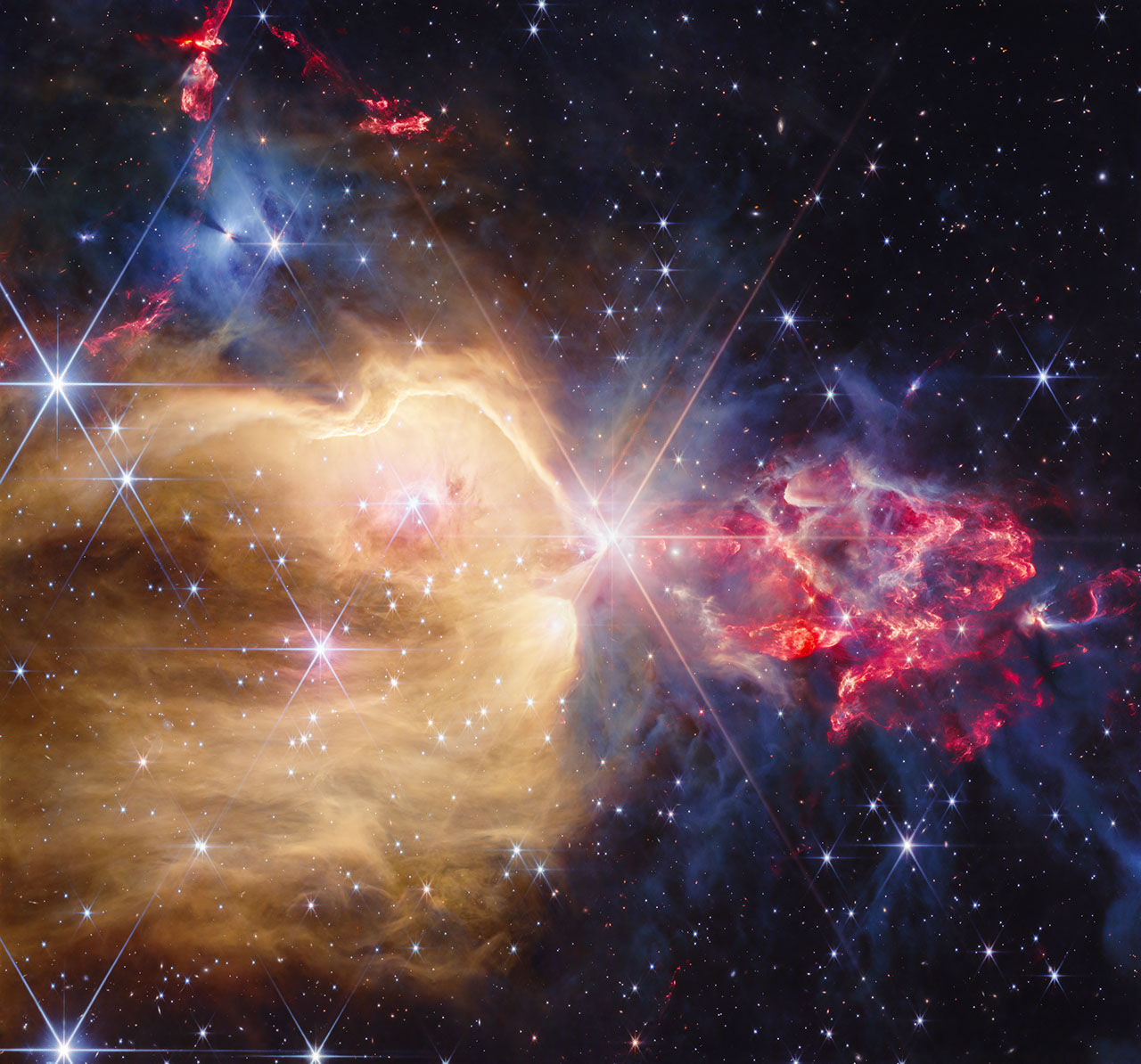
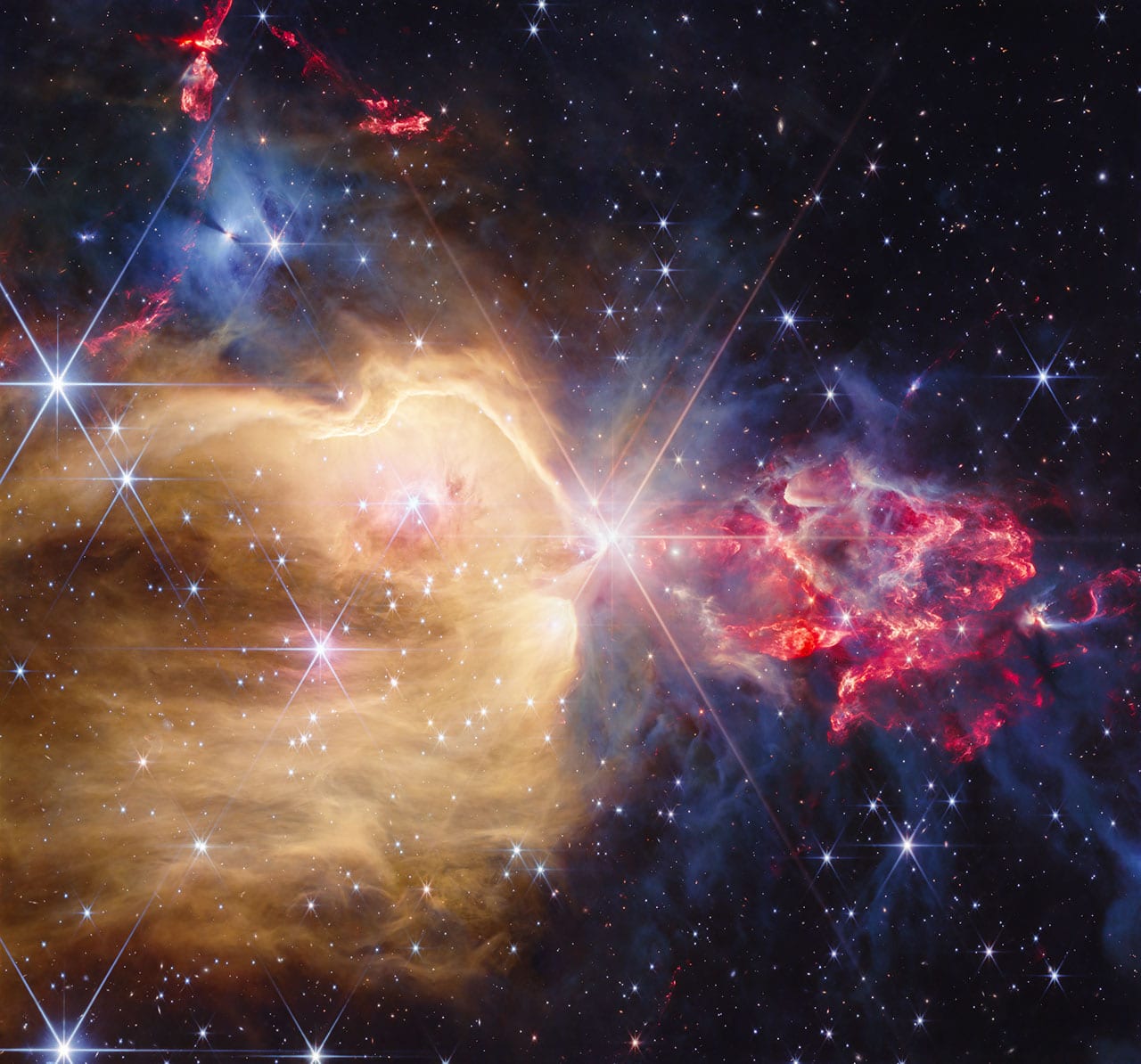
    A young star cluster filled with many stars that display Webb’s unique eight-pronged diffraction pattern. At its center is a yellow star that sports the largest diffraction pattern. To its left, there is a region filled with yellow dust and gas that extends from the star to the left and the bottom, covering about two-thirds of the frame. The yellow region has several embedded blue stars of different sizes. The top third, which lies outside the yellow region, has a few bright protostars, within dense gray gas. These stars illuminate the gas, making it appear blue. A few red outflows from other protostars are visible above this grayish-blue region. To the right of the central star, there is a clumpy, flame-like plume of red dust and gas with protostars that emit a soft white light within. The plume is surrounded by more dense gray gas and dust. It is about one third the size of the yellow region. There are several background galaxies strewn throughout.
    नासा के जेम्स वेब स्पेस टेलीस्कोप ने एनजीसी 7129 की चमकीली गैसों के भीतर कई प्रोटोस्टार और सितारों का खुलासा किया है। गरम, परमाणु हाइड्रोजन गैस यहां सुनहरा क्षेत्र में दिखाया गया है, जबकि कूलर, आणविक हाइड्रोजन गैस, एम्बेडेड प्रोटोस्टार्स द्वारा झटका लगा, लाल रंग में दर्शाया गया है।
    Credits:
    Image: NASA, ESA, CSA, STScI; Image Processing: Alyssa Pagan (STScI)

    नासा के जेम्स वेबब स्पेस टेलीस्कोप से एक नई छवि में ब्रह्मांडीय निर्माण का एक कारण सामने आया है। वेबब ने पूर्व में कई सितारों का अनावरण किया है जो एनजीसी 7129 के रूप में जाना जाता है, जो पृथ्वी से लगभग 3,300 प्रकाश वर्ष तक रहता है।

    विज्ञापन

    स्टार्स इंजन मौलिक निर्माण के कारण जीवन चक्र होते हैं जो आणविक बादलों में उनके जन्म से शुरू होते हैं - धूल और गैस के ठंडे, घने क्षेत्र। इन डस्टी कोकोनों के कारण, युवा सितारों को अक्सर कई दूरबीनों द्वारा देखना असंभव होता है, विशेष रूप से इन्फ्रारेड प्रकाश को कैप्चर करने में असमर्थ होते हैं। हालांकि, वेबब में इन्फ्रारेड संवेदनशीलता की उच्च डिग्री है, जिससे खगोलविदों को उस धूल के माध्यम से सहकर्मी होने की अनुमति मिलती है और स्टार लाइफ चक्र की शुरुआत का अध्ययन करती है।

    छवि: NGC 7129 (NIRCam Image)

    A young star cluster filled with many stars that display Webb’s unique eight-pronged diffraction pattern. At its center is a yellow star that sports the largest diffraction pattern. To its left, there is a region filled with yellow dust and gas that extends from the star to the left and the bottom, covering about two-thirds of the frame. The yellow region has several embedded blue stars of different sizes. The top third, which lies outside the yellow region, has a few bright protostars, within dense gray gas. These stars illuminate the gas, making it appear blue. A few red outflows from other protostars are visible above this grayish-blue region. To the right of the central star, there is a clumpy, flame-like plume of red dust and gas with protostars that emit a soft white light within. The plume is surrounded by more dense gray gas and dust. It is about one third the size of the yellow region. There are several background galaxies strewn throughout.
    नासा के जेम्स वेब स्पेस टेलीस्कोप ने एनजीसी 7129 की चमकीली गैसों के भीतर कई प्रोटोस्टार और सितारों का खुलासा किया है। गरम, परमाणु हाइड्रोजन गैस यहां सुनहरा क्षेत्र में दिखाया गया है, जबकि कूलर, आणविक हाइड्रोजन गैस, एम्बेडेड प्रोटोस्टार्स द्वारा झटका लगा, लाल रंग में दर्शाया गया है।
    छवि: नासा, ESA, CSA, STSCI; छवि प्रसंस्करण: Alyssa Pagan (STSCI)

    इस क्लस्टर के सितारे उनके विकास के विभिन्न चरणों में हैं, क्योंकि बड़े पैमाने पर सितारे सबसे तेजी से विकसित होते हैं। सबसे बड़ा (और सबसे परिपक्व) क्षेत्र का चमकदार केंद्रीय सितारा, LkH(alpha) 234 (LkH-alpha) है। यह स्टार, जो छवि के सबसे प्रमुख खेलता है विवर्तन पैटर्न, एक पूर्व अनुक्रम सितारा है जिसका वजन हमारे सूर्य के द्रव्यमान के लगभग 5 से 8 गुना है। इन जैसे पूर्व-मुख्य अनुक्रम सितारे ज्यादातर इकट्ठा करने वाले द्रव्यमान को समाप्त कर चुके हैं और गुरुत्वाकर्षण के बल के तहत अनुबंधित हैं, जिससे उनके तापमान में वृद्धि हुई है। समय में, यह स्टार हमारे सूर्य की तरह अपने स्वयं के हाइड्रोजन को फ्यूज करेगा।

    इसके बायीं तरफ गुहा, जो सोने में दिखाई देता है और लगभग 3.5 प्रकाश वर्ष तक फैलता है, केंद्रीय स्टार के प्रभाव का सबसे बड़ा प्रदर्शन है। स्टार के जीवन चक्र के पहले चरण से आउटफ्लो हाइड्रोजन के घने आणविक बादल में नक्काशी करते हैं। दोनों outflows और स्टार की रोशनी गैस को ऊर्जा प्रदान करती है, जिससे यह चमकती है। हालांकि इस हाइड्रोजन गैस में से अधिकांश को उड़ा दिया जाता है, एक बड़ी राशि भी संकुचित हो जाती है, जिससे अधिक सितारों को बनाने की स्थिति बन जाती है।

    इंटरैक्टिव: एनजीसी 7129 के रंगीन बादल

    Unable to render the provided source
    इस युवा स्टार बनाने वाले क्षेत्र के बादलों के भीतर छिपी हुई सुविधाओं और गतिविधि को उजागर करने के लिए NGC 7129 के विवरण का अन्वेषण करें। इस इंटरैक्टिव में, संबंधित स्थानों और कहानियों के माध्यम से व्यक्तिगत रुचि के बिंदुओं या निर्देशित पर्यटन का पालन करने का उपक्रम। पूर्ण इंटरैक्टिव अनुभव के लिए पूर्ण स्क्रीन में लॉन्च करें - या सीधे अपने ब्राउज़र में देखें।
    नासा और एसटीसीआई

    इन सितारों में से कुछ गुहा के भीतर दिखाई देते हैं। उनमें से कई पूर्व-मुख्य अनुक्रम भी हैं और उत्सर्जन करते हैं सीढ़ी हवा। पास धनुष झटके, घुमावदार संपीड़ित गैस जो सितारों के पास दिखाई देती है, को उन विंडों के रूप में बनाया जाता है जो ऊर्जावान गैस में धक्का देते हैं और अपना खुद का, छोटा गुहा बनाते हैं।

    साथ में, केंद्रीय और एम्बेडेड सितारे गोल्डन गुहा के शीर्ष पर दिखाई देने वाली तेज रिज भी बनाते हैं। उनका प्रकाश एक गर्म वातावरण उत्पन्न करता है जो गुहा के बाहर ठंडी और घने आणविक गैस के खिलाफ धक्का देता है, और एक सीमा बनाता है जिसे एक कहा जाता है photodissociation क्षेत्र। इस क्षेत्र में, हाइड्रोजन के अणु परमाणुओं में टूट जाते हैं। इस क्षेत्र के तापमान और रसायन विज्ञान को प्रभावित करके, सितारों का यह संग्रह इस बात की जानकारी प्रदान करता है कि ये आणविक बादल धीरे-धीरे लाखों वर्षों में नष्ट हो जाएंगे।

    विज्ञापन

    केंद्रीय स्टार के दाईं ओर क्षेत्र एक अलग, लेकिन समान रूप से अराजक कहानी बताता है। यह clumpy पदार्थ लाल रंग में प्रतिनिधित्व करता है बाईं ओर उन लोगों की तुलना में बहुत छोटी वस्तुओं: protostars। प्रोटोस्टार चरण पूर्व मुख्य अनुक्रम चरण की तुलना में पहले है और शुरू में गैस और धूल के आणविक बादलों के बाद संपीड़न और खंड के बाद होता है।

    चूंकि प्रोटोस्टार मामले को जमा करते हैं और उनके द्रव्यमान को बढ़ाते हैं, वे eject outflows अतिरंजित सामग्री की। ये आउटफ्लो घने, भूरे, पारभासी पदार्थ के साथ बातचीत करते हैं जो प्रोटोस्टार्स को अंदर लपेटा जाता है, जिससे निर्माण होता है। आघात यह एक बनावट उपस्थिति का कारण बनता है। लाल चमक भी बातचीत का परिणाम है। कई सितारों से कई आउटफ्लो हमारे दृष्टिकोण से ओवरलैप करते हैं, जिससे दृश्य के अराजक स्वरूप का नेतृत्व होता है।

    छवि: NGC 7129 साइड-बाय-साइड (स्पिटलज़र और वेबब छवि)
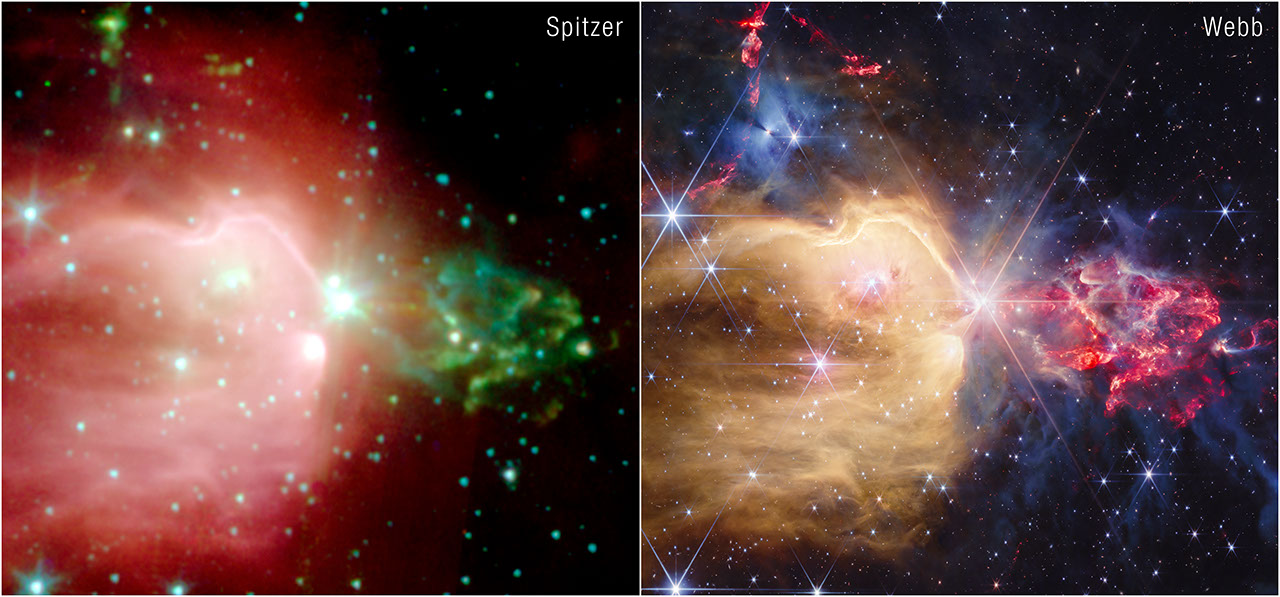
    Two images appear side by side. The left is labeled “Spitzer” and the right “Webb.” The Spitzer image, which is fuzzier and less detailed, shows two regions separated by a bright central object, a star. To the left of the star, there is a region filled with red dust and gas that extends from the star to the left border of the image. The red region extends from the bottom, covering about two-thirds of the image. To the right of the star is a large, irregular green blob. The Webb image shows the same two regions at both sides of a central star, but at a higher resolution. The left region is filled with stars and yellow dust and gas that extends from the star to the left border of the image. This yellow region extends from the bottom, covering about two-thirds of the image. The top left of the image holds a few bright protostars, within dense gray gas. To the right of the central star, there is a clumpy plume of red dust and gas, which is surrounded by more dense gray gas and dust.
    नासा के सेवानिवृत्त स्पिट्जर स्पेस टेलीस्कोप ने एनजीसी 7129 के भीतर गैस और धूल को देखा; हालांकि, नासा के जेम्स वेब स्पेस टेलीस्कोप के बेहतर रिज़ॉल्यूशन में कई पृष्ठभूमि आकाशगंगाओं के साथ अधिक विस्तृत गैस और धूल फिलामेंट दिखाई देते हैं।
    छवि: नासा, ESA, CSA, STSCI, नासा-JPL; छवि प्रसंस्करण: Alyssa Pagan (STSCI)

    इनमें से अधिक प्रोटोस्टेलर आउटफ्लो को नीले रंग के नेबुला के पास छवि के ऊपरी बाईं ओर देखा जा सकता है। इस नीले क्षेत्र का केंद्र सामग्री की एक डोनट आकार की डिस्क से घिरा एक प्रोटोस्टार की मेजबानी करता है। यह डिस्क आसपास के नेबुला के खिलाफ एक छाया डालती है, जो एक समान संरचना की याद दिलाती है जिसे "" कहा जाता है।बैट छाया” यह नासा के हबल स्पेस टेलीस्कोप द्वारा मनाया गया था।

    वेबब का उच्च स्थानिक संकल्प क्षेत्र की गैस में कई समृद्ध संरचनाओं को प्रकट करता है, जिस पर इमारत अनुसंधान पहले किया नासा के सेवानिवृत्त स्पिट्जर स्पेस टेलीस्कोप द्वारा। खगोलविद इस वेब डेटा का उपयोग इस अध्ययन के लिए जारी रखेंगे कि इस क्षेत्र में सितारों और प्रोटोस्टार आसपास के गैस और धूल को कैसे प्रभावित करते हैं।

    जेम्स वेब स्पेस टेलीस्कोप दुनिया का प्रमुख अंतरिक्ष विज्ञान संरक्षक है। Webb हमारे सौर मंडल में रहस्यों को हल कर रहा है, जो अन्य सितारों के आसपास दूर की दुनिया से आगे देख रहा है, और हमारे ब्रह्मांड की रहस्यमय संरचनाओं और उत्पत्ति और उस में हमारी जगह की जांच करता है। वेब एक अंतरराष्ट्रीय कार्यक्रम है जिसका नेतृत्व नासा ने अपने सहयोगियों, ईएसए (यूरोपीय अंतरिक्ष एजेंसी) और सीएसए (कैनाडियन अंतरिक्ष एजेंसी) के साथ किया है।

    वेबब के बारे में अधिक जानने के लिए, देखें:

    https://science.नासा.gov/webb

    डाउनलोड और संबंधित जानकारी

    निम्नलिखित खंडों में संबंधित सूचना लिंक, मीडिया संपर्कों और यदि उपलब्ध हो, तो अनुसंधान पत्र और स्पेनिश अनुवाद लिंक के बाद सभी उपलब्ध संकल्पों में इस लेख की छवियों और वीडियो को डाउनलोड करने के लिए लिंक शामिल हैं।

    संबंधित छवियां और वीडियो

    A young star cluster filled with many stars that display Webb’s unique eight-pronged diffraction pattern. At its center is a yellow star that sports the largest diffraction pattern. To its left, there is a region filled with yellow dust and gas that extends from the star to the left and the bottom, covering about two-thirds of the frame. The yellow region has several embedded blue stars of different sizes. The top third, which lies outside the yellow region, has a few bright protostars, within dense gray gas. These stars illuminate the gas, making it appear blue. A few red outflows from other protostars are visible above this grayish-blue region. To the right of the central star, there is a clumpy, flame-like plume of red dust and gas with protostars that emit a soft white light within. The plume is surrounded by more dense gray gas and dust. It is about one third the size of the yellow region. There are several background galaxies strewn throughout.

    NGC 7129 (NIRCam Image)

    नासा के जेम्स वेब स्पेस टेलीस्कोप ने एनजीसी 7129 की चमकीली गैसों के भीतर कई प्रोटोस्टार और सितारों का खुलासा किया है। गरम, परमाणु हाइड्रोजन गैस यहां सुनहरा क्षेत्र में दिखाया गया है, जबकि कूलर, आणविक हाइड्रोजन गैस, एम्बेडेड प्रोटोस्टार्स द्वारा झटका लगा, लाल रंग में दर्शाया गया है।

    Two images appear side by side. The left is labeled “Spitzer” and the right “Webb.” The Spitzer image, which is fuzzier and less detailed, shows two regions separated by a bright central object, a star. To the left of the star, there is a region filled with red dust and gas that extends from the star to the left border of the image. The red region extends from the bottom, covering about two-thirds of the image. To the right of the star is a large, irregular green blob. The Webb image shows the same two regions at both sides of a central star, but at a higher resolution. The left region is filled with stars and yellow dust and gas that extends from the star to the left border of the image. This yellow region extends from the bottom, covering about two-thirds of the image. The top left of the image holds a few bright protostars, within dense gray gas. To the right of the central star, there is a clumpy plume of red dust and gas, which is surrounded by more dense gray gas and dust.

    Englishالعربية中文(简体)中文(漢字)ČeštinaDanskNederlandsSuomiFrançaisDeutschहिन्दी; हिंदीMagyarItaliano日本語한국어Bahasa MelayuPortuguêsRomânăРусскийEspañolTürkçeУкраїнськаTiếng Việt

    नासा के सेवानिवृत्त स्पिट्जर स्पेस टेलीस्कोप ने एनजीसी 7129 के भीतर गैस और धूल को देखा; हालांकि, नासा के जेम्स वेब स्पेस टेलीस्कोप के बेहतर रिज़ॉल्यूशन में कई पृष्ठभूमि आकाशगंगाओं के साथ अधिक विस्तृत गैस और धूल फिलामेंट दिखाई देते हैं।

    संबंधित लिंक्स

    और पढ़ें: वेब के स्टार फॉर्मेशन डिस्कवरी

    अधिक खोजें: छवि यात्रा: हरबिग-हरो 46/47

    देखें: Herbig-Haro 49/50 स्टेलर जेट विजुअलाइजेशन

    अधिक खोजें: Eagle Nebula में स्टार गठन

    देखें: Celestial Lightsabers: HH24 में स्टेलर जेट

    वेब: समाचार (c) चित्र (c) विज्ञान (c) होम पेज

    शेयर


    विवरण

    Last Updated
    Oct 06, 2026
    Contact
    Media

    लौरा बेट्स
    नासा के गॉडर्ड स्पेस फ्लाइट सेंटर
    ग्रीनबेल्ट, मैरीलैंड
    Laura.e.betz@नासा.gov.

    मैथ्यू ब्राउन
    अंतरिक्ष टेलीस्कोप विज्ञान संस्थान
    बाल्टीमोर, मैरीलैंड
    हन्ना ब्रौन
    अंतरिक्ष टेलीस्कोप विज्ञान संस्थान
    बाल्टीमोर, मैरीलैंड