ESA/Hubble & NASA, M. Libralato, G. Piotto, A. Sarajedini
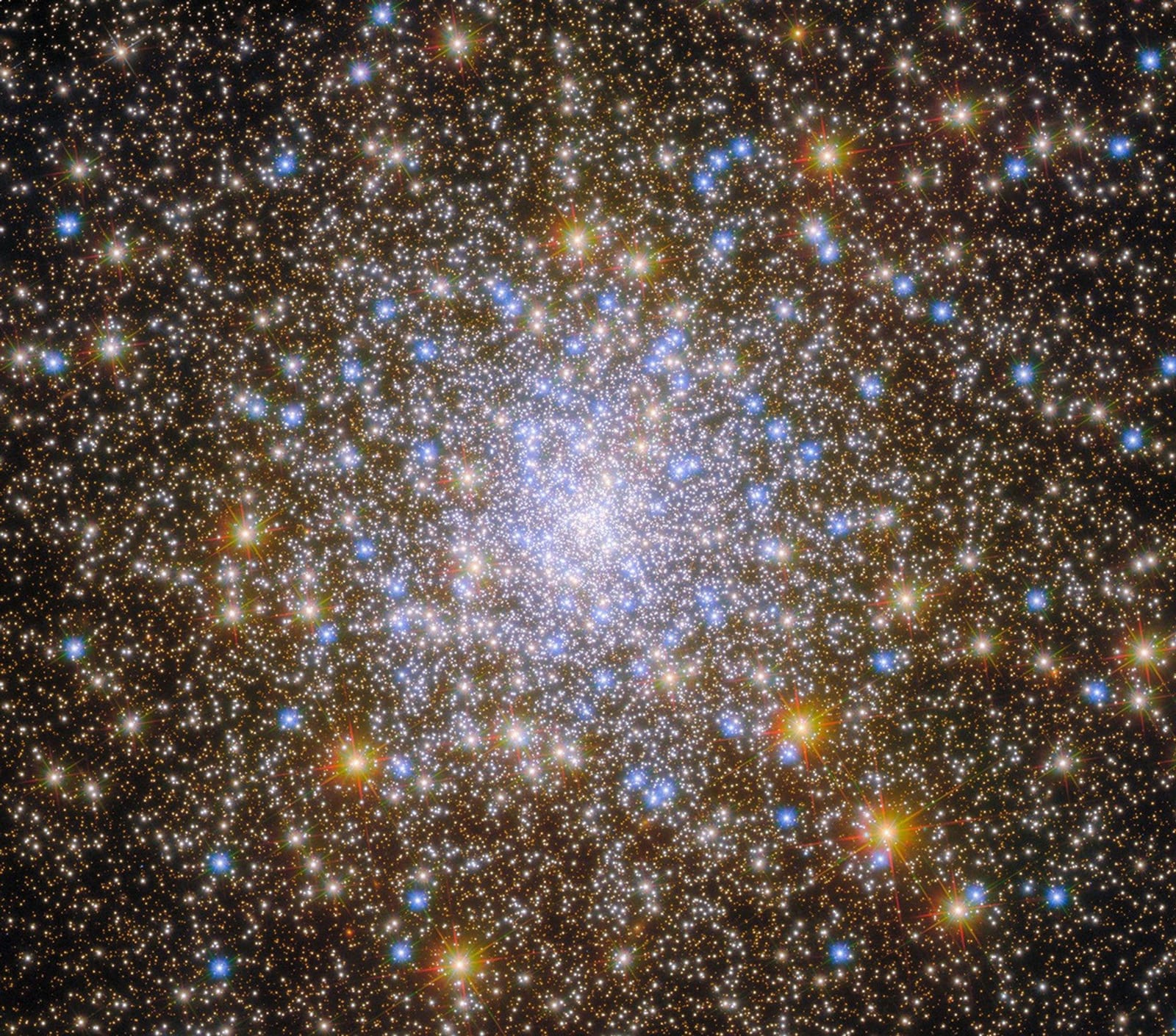
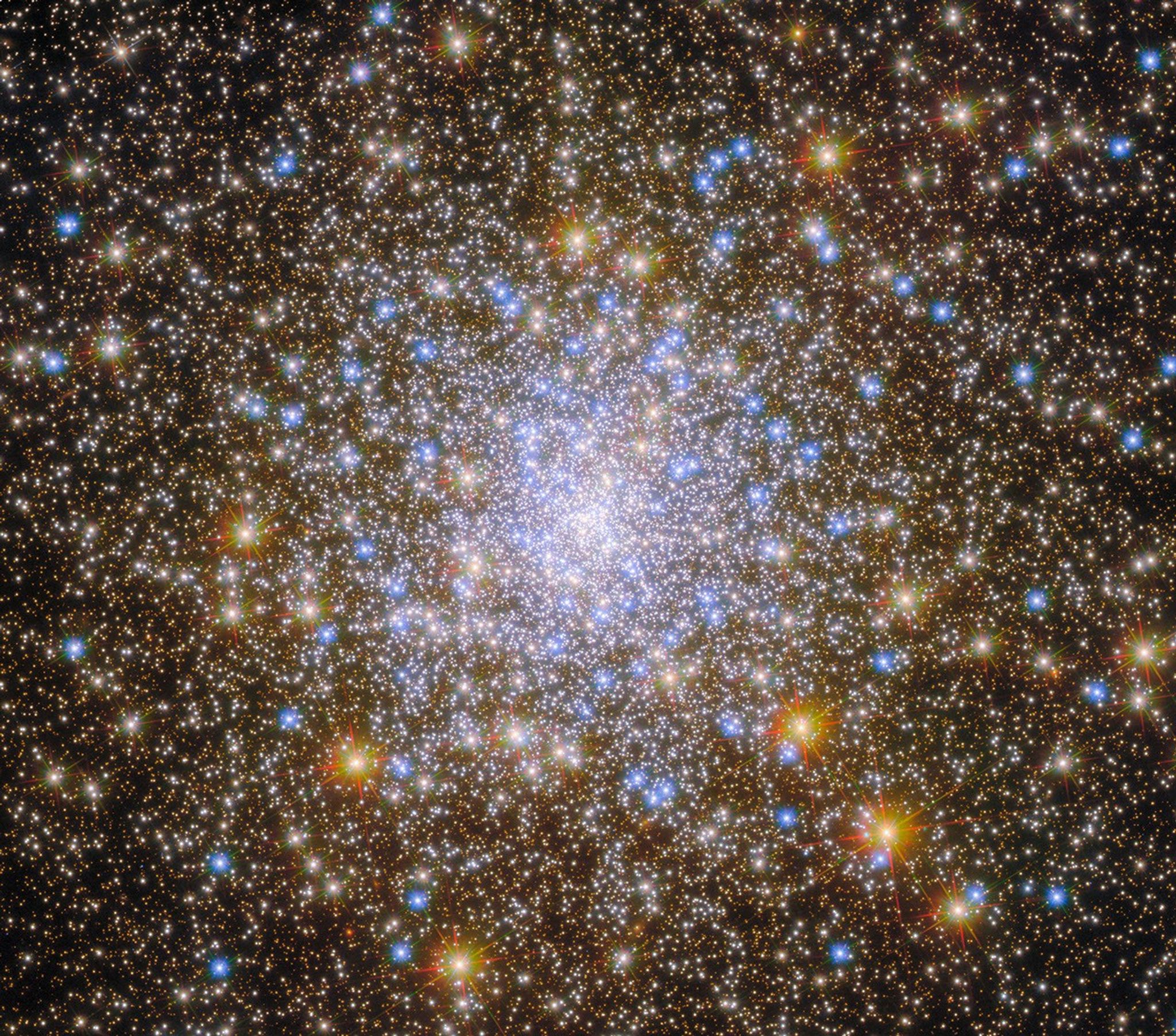
Cette image du télescope spatial Hubble de la NASA et de l'ESA publiée le 5 novembre 2026 fournit une leçon d'histoire galactique. La collection pétillante d'étoiles s'appelle Messier 30 (M30) après l'astronome français, Charles Messier, qui a catalogué M30 et d'autres objets diffuses qui pourraient être confondus avec des comètes dans les premiers télescopes de l'époque Messier. M30 se trouve à environ 27 500 années-lumière dans la constellation Capricorne.
Publicité
En savoir plus sur ce groupe d'étoiles et ce que les scientifiques peuvent en apprendre.
Crédit d'image: ESA/Hubble & NASA, M. Libralato, G. Piotto, A. Sarajedini